Swarm Trader
AI-assisted trading research, execution, and risk platform
Swarm Trader is a trading technology workspace combining sentiment intelligence, LLM-assisted decisioning, broker/exchange execution paths, risk controls, audit diary concepts, and a Rust/Python transition plan. The local documents emphasize simulator/paper-trade readiness work and explicitly warn against live-trading claims until safety gates are complete.
Visuals
Brand-consistent
Live site
Publicly verifiable
About this project
Trading research platform with sentiment signals, risk controls, and a simulator-first design.
We describe what was actually built — scope, capabilities, and technology. We don't attach business metrics, revenue impact, or testimonials unless a client has approved and sourced them.
See the work, not just a description.
Where a project is public, you can open the live site directly from this page and browse it yourself — the strongest proof there is.
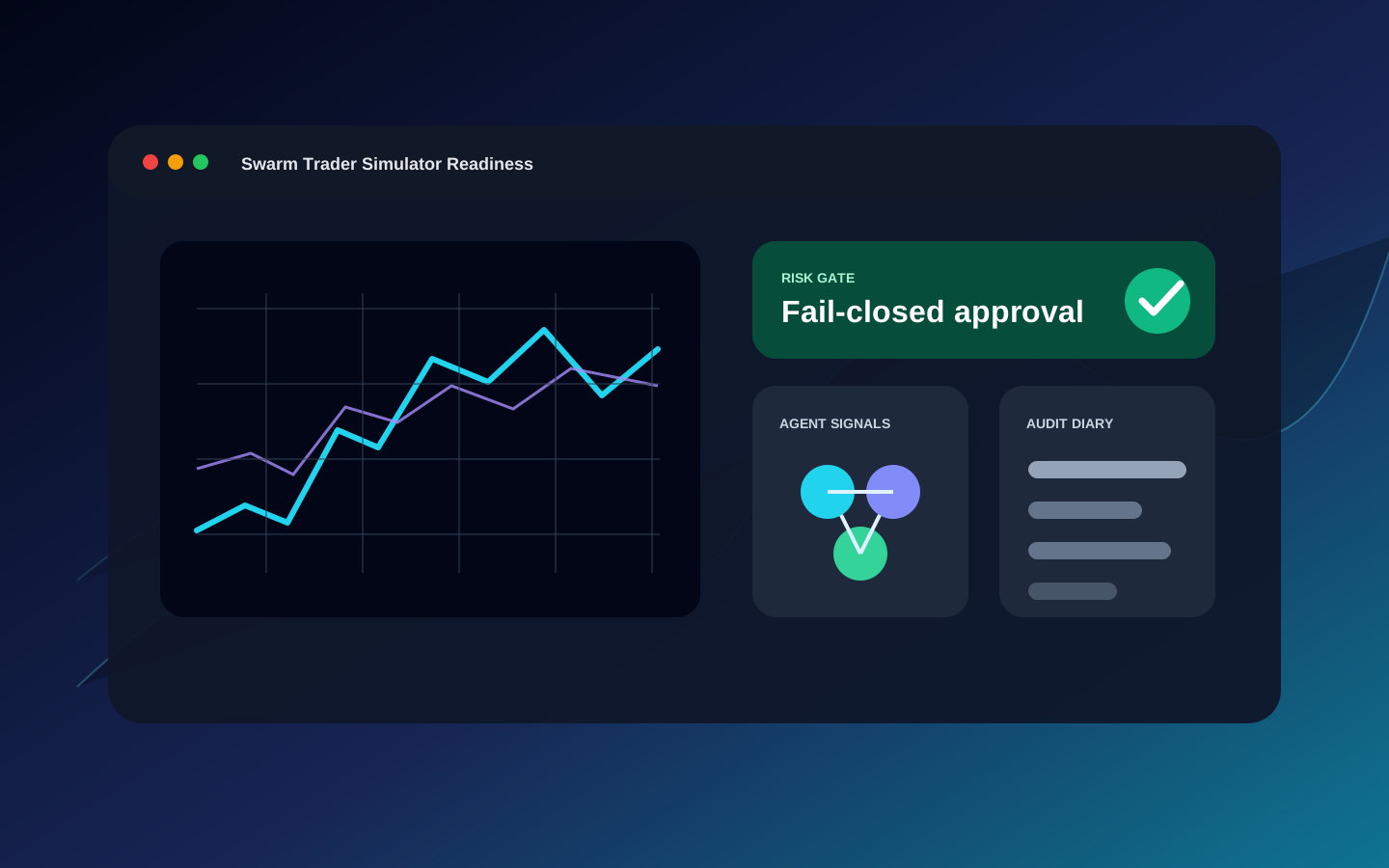
Trading Simulator View
A trading-specific interface visual reflects simulator readiness, signal paths, risk controls, and audit diary concepts.
Risk-Control Layer
The visual emphasizes safety gates and simulator-first framing instead of unsupported live-trading or performance claims.
Technical Automation Context
Project-specific platform artwork replaces abstract technical imagery for automation architecture context.
Live link coming soon
This project runs in a private environment, so there's no public link to share yet. Ask us for a walkthrough.
What was built
- MiroFish sentiment layer and trading-agent execution layer connected through a SentimentBridge concept
- Python reference implementation for Nelogica ProfitDLL/B3 workflows with tests around indicators, strategies, approval, validation, market hours, and reconciliation
- Production plan covering Windows smoke testing, contract multiplier fixes, fail-closed approval queues, reconnect logic, broker reconciliation, validators, and paper soak
- Rust port work for dashboard, indicators, replay, metrics, and ProfitDLL source parity
- Config examples for broker, risk, strategy, sentiment, and market-hours settings
How it was built
- Designed simulator-first: live trading stays gated behind a safety checklist before any real execution.
- Migrating from a Python reference implementation to a Rust production backend.
- Engineered to strict rules: PII-free logs, typed errors, reconciliation, validators, and regression tests.